Google Just Ran AI in Space: What Project Suncatcher Means for the Future of AI
A Google prototype satellite has answered its first AI prompt from orbit. Here is what actually happened, why tech companies are looking at space for AI computing, and what is still unproven.
SARV LABS Editorial Team7 min read
In this article
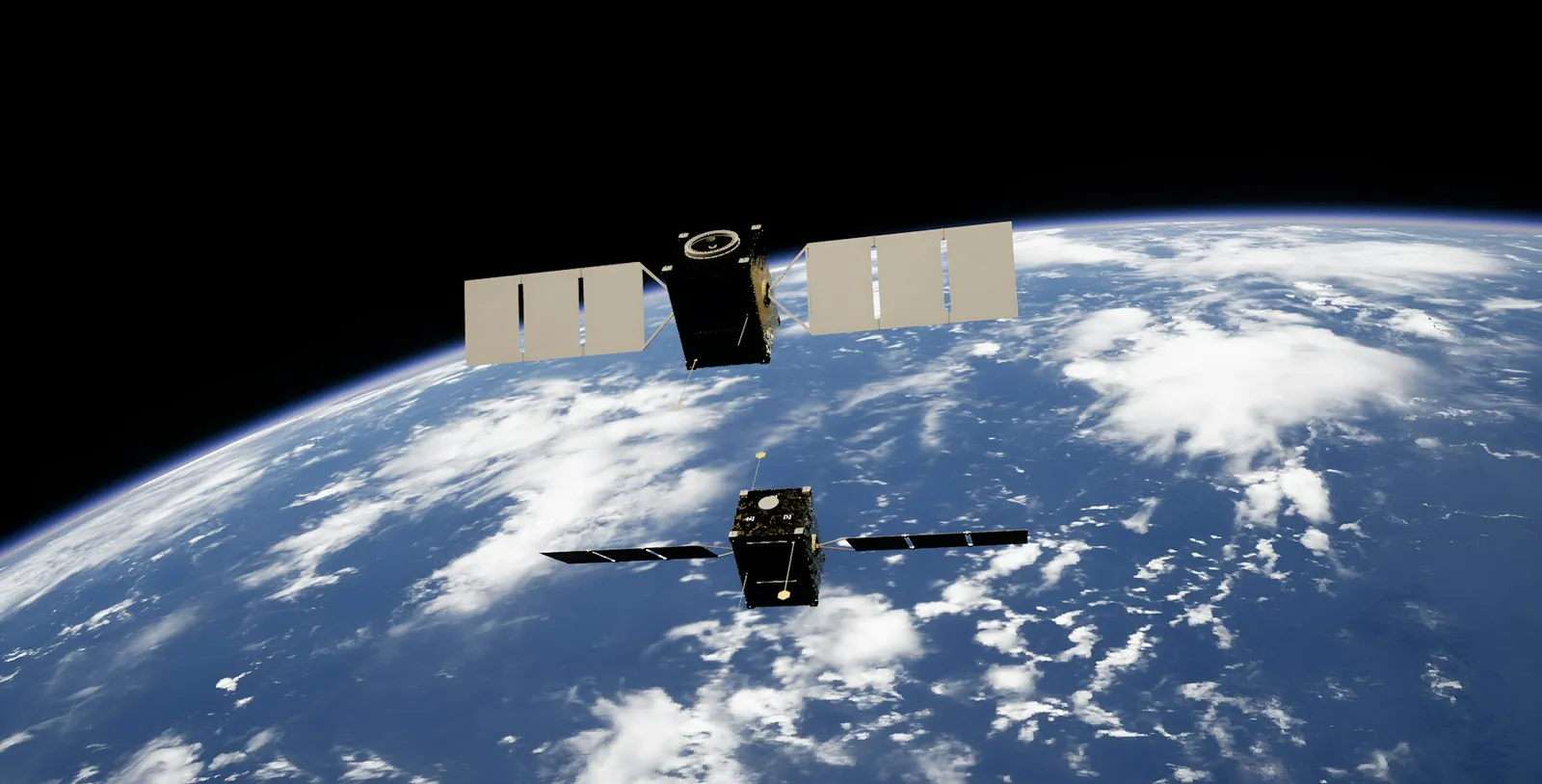
On 2 November 2026, news spread that a small satellite had done something no data centre on Earth can claim: it ran an AI model while circling the planet. A prototype from Google Project Suncatcher answered a prompt from orbit, and its first reply was a haiku.
It sounds like a science-fiction headline, but it points at one of the most serious questions in technology right now: where will the electricity for AI come from? This article explains what happened, why tech companies are looking up, what is still unproven, and what it means for the people who use AI every day.
What happened
Here is what has been reported so far:
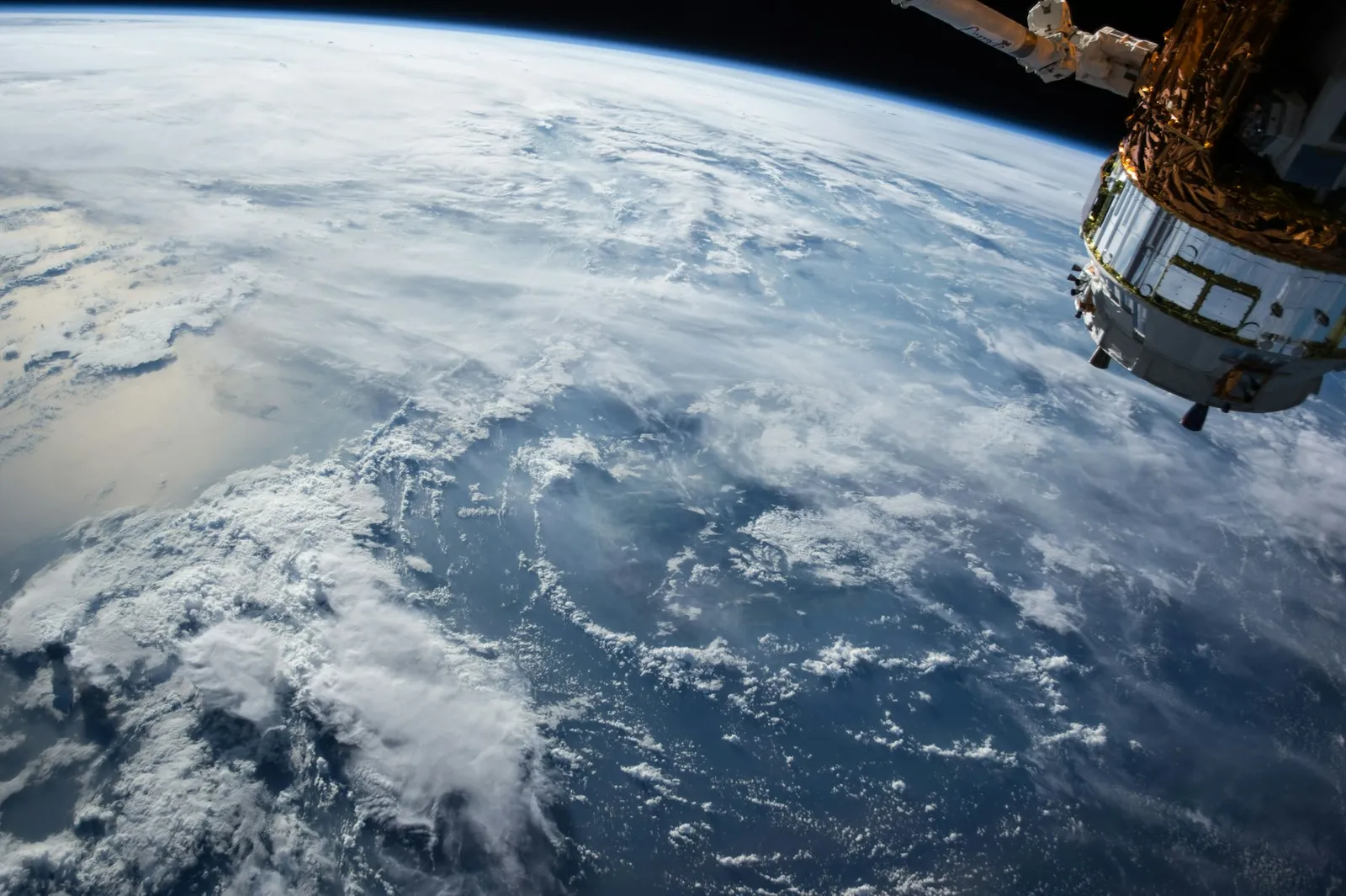
- The launch. A Project Suncatcher prototype satellite went up on 1 October 2026 on a SpaceX rideshare mission that carried many other spacecraft.
- The test. During a pass over a ground station, engineers prompted Google's open model Gemma 4, running on a Google TPU (Tensor Processing Unit, the chip Google designs for AI), to write a haiku about being in space.
- The answer. As the satellite passed over Svalbard, it sent back: "Blue marble below / Data streams in silent grace / Starlight feeds my core."
- The power. The satellite runs on solar panels producing roughly one kilowatt, about what a few household appliances use.
- The purpose. Google says the test is about whether its AI chips can run reliably in space. The campaign will study how the chips cope with heat and radiation over time.
A haiku is a playful demo, but the point is serious: a modern AI chip ran a modern AI model in orbit and returned a correct answer.
What is Project Suncatcher?
Google announced Project Suncatcher on 4 November 2025 as a research "moonshot": a long-term bet that may or may not work. The idea is a network of solar-powered satellites carrying TPUs, flying close together and connected by laser links, so that together they act like one large AI computer.
Google's research paper explored:
- Formation flying. Clusters of up to 81 satellites at about 650 km altitude, spaced only hundreds of metres apart.
- Laser links between satellites. Early lab tests reached 1.6 terabits per second with a single pair of transceivers. AI training and large models need huge amounts of data moving between chips, so this matters.
- Radiation testing. Google tested its Trillium TPU in a particle accelerator. Reports say it handled radiation levels expected over a five-year mission in low Earth orbit, with only minor issues at much higher doses.
- A partner. Google named satellite company Planet as its partner, with a plan to launch two prototype satellites by early 2027.
The October 2026 prototype is an early learning step. If the chip keeps performing, reports say Google plans to fly two connected satellites with more advanced chips in 2027.
Why put AI computers in space at all?
The short answer is energy.
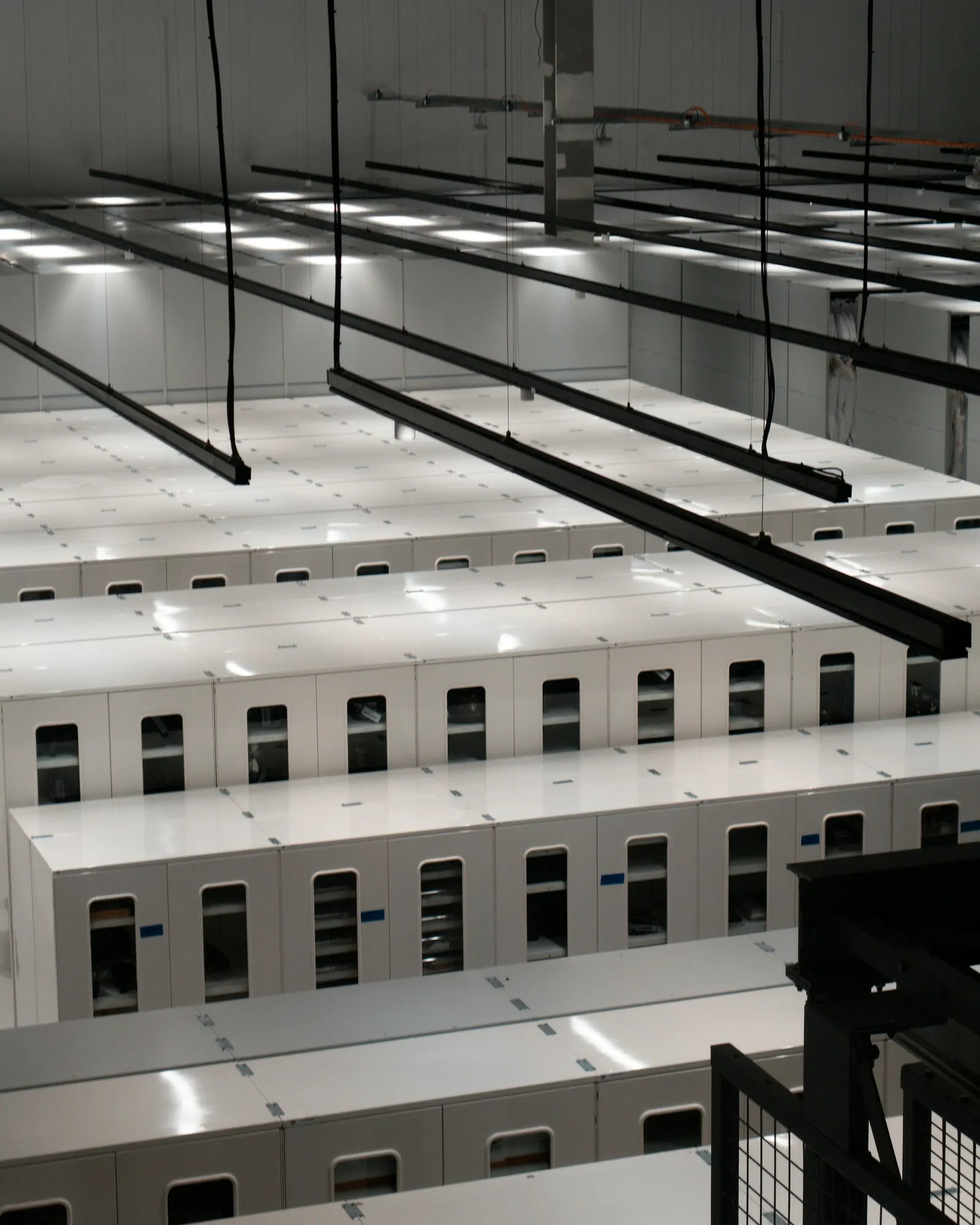
Every AI answer, picture and video runs on chips in data centres, and those chips need electricity, plus more electricity to keep them cool. As AI use grows, power has become a real limit. In the US, rising power bills and grid strain have slowed some data centre projects, and AI companies are signing deals with utilities to ease the pressure. OpenAI, for example, announced a program on 2 November 2026 that lets the utility in Georgia reduce its planned campus's power use by up to 1,000 MW when the grid is stressed.
Space offers something the ground cannot:
| On Earth | In a sun-synchronous orbit |
|---|---|
| Solar panels work only in daytime and lose power to clouds and seasons | Panels can see the Sun almost all the time |
| Batteries or other power plants are needed at night | Far less need for storage |
| Land, water for cooling and grid connections are limited | No land or local grid needed |
| Easy to repair and upgrade | Very hard to repair once launched |
Google's research says solar panels in the right orbit can be up to eight times more productive than on the ground. If launch costs keep falling, that sunlight could become a large, steady power source for AI.
The hard problems
None of this is close to a working data centre. The open problems are big:
Radiation
Space radiation can flip bits in a chip's memory, silently corrupting a calculation. Ground tests are encouraging, but years of real orbit are the real test, which is exactly what the prototype is for.
Cooling
On Earth, chips are cooled with air and water. In a vacuum, heat can only leave by radiating away, which needs large radiators. Getting rid of heat is one of the hardest engineering problems for any computer in space.
Fast links between satellites
Large AI systems spread work across many chips that constantly exchange data. Doing that with lasers between moving satellites, hundreds of metres apart, at very high speeds, is unproven at scale.
Launch cost
Google's analysis says orbital computing could compete with ground data centres on energy cost if launch prices fall below about $200 per kilogram, around the mid-2030s, if current trends continue. That is a big "if".
Repairs and space debris
A failed chip in a data centre is swapped in minutes. In orbit, it may stay broken. Large fleets also add to the growing problem of crowded orbits.
A short timeline
| Date | What happened |
|---|---|
| 4 November 2025 | Google announces Project Suncatcher and publishes its first research, naming Planet as partner |
| 1 October 2026 | A Suncatcher prototype launches on a SpaceX rideshare mission |
| Late October 2026 | During a ground-station pass, Gemma 4 on a TPU in orbit answers a prompt with a haiku |
| 2 November 2026 | The first response from orbit is widely reported |
| 2027 (planned) | Two connected prototype satellites with more advanced chips, if the first test goes well |
| Mid-2030s (Google's analysis) | Launch costs below about $200 per kg could make orbital computing cost-competitive on energy |
How this fits the wider AI energy race
Suncatcher is one answer to a problem every AI company now faces. A few examples from the same week:
- OpenAI's Grid Protectors Program. Announced on 2 November 2026, it lets Georgia Power cut up to 1,000 MW of demand from OpenAI's planned 3.2 GW campus in Effingham County, Georgia, during times of grid stress. OpenAI says it will pay the full cost of the grid connections the campus needs, and Georgia Power expects deals like this to save customers about $950 million a year from 2029. OpenAI itself says flexibility cannot replace new power plants and lines.
- Huge financing for data centres. Cloud companies continue to raise and borrow large sums to build AI data centres, a sign of how much computing they expect to need.
- More efficient models. Smaller, faster models that can run on a single chip, like the one used in the orbital test, reduce the power each answer needs.
The common thread: AI is now limited as much by electricity, cooling and chips as by software. Space is the boldest idea on the list, but it is one of many.
What people are asking
Is it safe to put so many satellites in orbit? Large constellations raise real concerns about crowded orbits and space debris. Any large-scale plan will need careful coordination and end-of-life disposal.
Will space computing make AI greener? Possibly, if the satellites run on solar power for many years. But building and launching rockets also has an environmental cost, so the full picture depends on launch technology and how long the hardware lasts.
Could India take part? India's space sector has opened to private companies in recent years, and Indian launch providers and satellite startups are growing. Whether they join efforts like this is an open question worth watching.
What it means for people who use AI
For now, nothing changes in the AI tools you use. Your chats, research, images and slides run in data centres on Earth, and they will for many years.

The bigger story is that AI's growth now depends on energy and infrastructure as much as on smarter models. That is why you see companies:
- building giant data centre campuses and signing long power deals,
- making AI models more efficient, so the same answer needs less computing,
- and testing ideas like computing in space.
For everyday users this race should, over time, mean faster and cheaper AI. It is also a reason to use AI sensibly: picking the right model for the job instead of the biggest one saves time, money and energy. That is the idea behind platforms like SARV LABS, which choose a suitable model for each request. You can see how in SARV LABS Studio.
The bottom line
A haiku from orbit will not change your workday tomorrow. But it shows how seriously the biggest tech companies take AI's power problem, and how far they are willing to go to solve it. Watch for three things next: whether the prototype's chip keeps working over months of radiation, whether Google's two-satellite test flies in 2027, and whether launch costs keep falling.
Want more AI news explained simply? Read our take on AI agents going to work in 2026 and our guide to the best AI tools for content creation.
Frequently asked questions
What is Google Project Suncatcher?
A Google research moonshot, announced in November 2025, that studies whether networks of solar-powered satellites carrying Google's TPU AI chips could one day do large-scale AI computing in orbit.
Did Google really run AI in space?
According to reports on 2 November 2026, a Suncatcher prototype launched on 1 October 2026 ran Google's Gemma 4 model on a TPU in orbit and returned a short haiku during a ground-station pass. It is a first test, not a working data centre.
Why would anyone put AI computers in space?
Mainly energy. AI needs huge amounts of electricity, and in the right orbit solar panels get sunlight almost all the time. Google's research says panels there can be up to eight times more productive than on the ground.
When will space data centres be real?
Not soon. Google's own research ties the economics to launch costs falling below about $200 per kilogram, which it expects around the mid-2030s if trends continue. Radiation, cooling and fast links between satellites are still open problems.
Does this change the AI apps I use today?
Not directly. Your chats, images and slides still run in data centres on Earth. In the long run, cheaper and cleaner computing could make AI faster and less expensive for everyone.
Sources
Facts in this article come from these reports. Plans and figures can change after publishing.